Research Chemical Storage Standards: Protecting Lab Integrity and Purity
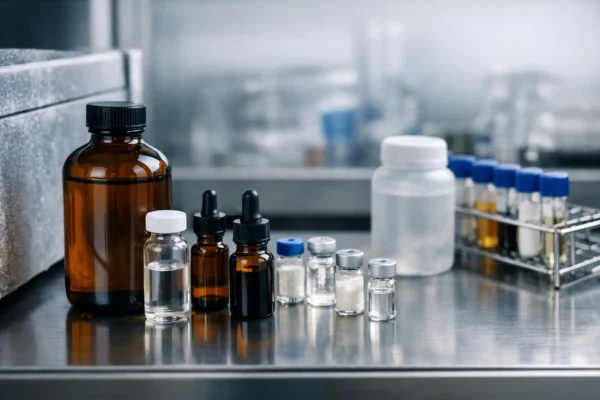
Research Chemical Storage Standards In analytical biochemistry, structural pharmacology, and specialized testing facilities, acquiring high-purity compounds is only the first step. Once a shipment arrives from a verified provider like Finest Research Chemical, the way your laboratory handles, labels, and archives the material dictates whether your experimental data remains valid or degrades over time.
Poor environmental controls can trigger thermal breakdown, oxidation, or cross-contamination. This guide breaks down the core laboratory storage and chain-of-custody protocols every research team should follow.
Research Chemical Storage Standards: Why Compound Storage Impacts Analytical Data
In a controlled laboratory setting, chemical stability is fragile. Whether you are working with specialized research chemicals, sensitive peptides, or raw powders, molecular structures react rapidly to external stressors:
- Thermal Fluctuations: Repeated freeze-thaw cycles or ambient room-temperature spikes can fracture delicate polypeptide chains or alter crystalline structures.
- Light Exposure (Photodegradation): Ultraviolet and high-intensity fluorescent light break down active bonds in light-sensitive compounds.
- Moisture Ingress: Ambient humidity causes clumping, hydrolysis, or microbial contamination in lyophilized (freeze-dried) powders.
Research Chemical Storage Standards:Core Environmental Controls for the Lab
To maintain maximum batch integrity from receipt to final assay, laboratories should enforce three environmental pillars:
1. Temperature Precision
Store compounds according to their specific phase requirements. Standard room-temperature storage applies strictly to inert solids, whereas long-term archival of biological and synthetic reference materials typically requires refrigerated (2°C to 8°C) or ultra-low freezer (-20°C to -80°C) environments. Always allow sealed vials to equilibrate to room temperature before opening to prevent condensation.
2. Inert Atmospheres and Dark Storage
Keep light-sensitive materials in amber glass vials or opaque secondary containers. For oxygen-sensitive compounds, purging storage vessels with dry nitrogen or argon before sealing minimizes oxidative degradation.
3. Strict Chain-of-Custody and Logging
Every container should feature a clear label displaying:
- Exact compound name or CAS/batch reference
- Date of receipt and date opened
- Assigned analytical purity grade
- Initials of the responsible researcher
Frequently Asked Questions (FAQ)
How do I know if a research chemical has degraded due to poor storage?
Look for physical indicators such as unexpected color shifts, caking or moisture clumping in powders, condensation inside sealed glass, or abnormal retention time shifts during high-performance liquid chromatography (HPLC) runs.
Should lyophilized powders be kept frozen before opening?
Yes. Freeze-dried (lyophilized) materials should generally remain sealed in their recommended cold-storage environment until the exact moment of reconstitution or sampling to block moisture absorption.
Where can I source certified analytical compounds for my facility?
You can explore verified inventory categories and technical documentation directly via Finest Research Chemical.