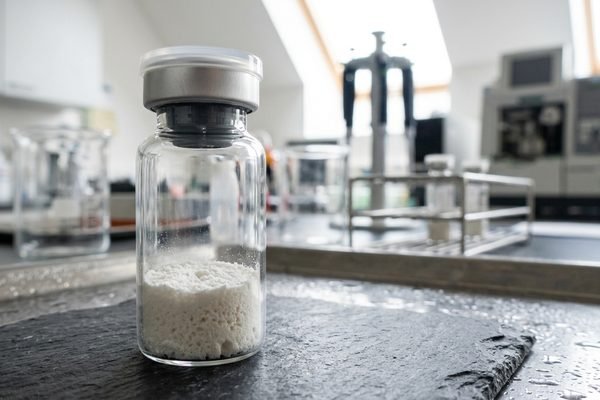
HGH lyophilized powder: When conducting laboratory assays or comparative studies involving
human growth hormones (HGH), maintaining the structural stability of the compound is critical. Unlike pre-mixed liquid solutions, high-grade HGH is typically distributed as a
lyophilized (freeze-dried) powder. This specialized form protects the delicate polypeptide chains from rapidly breaking down, but it requires highly specific environmental controls during laboratory handling.
For research teams evaluating these compounds, understanding the factors that impact protein degradation is essential for ensuring accurate, reproducible data.
Why Is HGH Formulated as a Lyophilized Powder?
Human growth hormone is a complex protein consisting of 191 amino acids. Due to its large molecular size and delicate peptide bonds, it is highly sensitive to heat, agitation, and ambient moisture.
The freeze-drying process removes moisture while keeping the core molecular structure intact:
Extended Shelf Life: In its dry, freeze-dried state, the vacuum-sealed compound remains biochemically stable for much longer periods at room temperature compared to liquid forms.
Protection Against Hydrolysis: Removing water eliminates the risk of spontaneous chemical reactions that cleave the peptide bonds, keeping the compound pure.
Visual Quality Markers: High-purity lyophilized HGH typically forms a solid, unfragmented “cake” or puck at the bottom of the vial rather than a loose, chalky powder.
Critical Handling Protocols for Laboratory Evaluation on HGH lyophilized powder
Because lyophilized proteins are fragile, standard operating procedures must be followed to avoid damaging the samples before analysis:
1. Temperature Control Limits
While the freeze-dried powder can tolerate brief shipping windows at room temperature, long-term storage requires continuous refrigeration between 2°C and 8°C. Freezing the raw powder cake is acceptable, but once the solution is mixed with a liquid layer, it should never be frozen again, as ice crystals will tear the protein chains apart.
2. Avoiding Mechanical Shear Stress
When introducing a liquid solvent (like bacteriostatic water) for laboratory testing, it must be trickled slowly down the inside glass wall of the vial. Never shake the vial. Rough shaking creates mechanical shear stress, which denatures the protein and renders the research data useless. Instead, gently swirl the vial until the powder completely dissolves.
Verifying Supplier Authenticity and Documentation
When sourcing compounds for experimental evaluation, standard star ratings are not enough. Research facilities must rely on verified documentation to confirm batch consistency:
Purity Testing: Ensure the compound has been verified through High-Performance Liquid Chromatography (HPLC) to confirm a purity baseline of 98% or greater.
Vacuum Seal Integrity: A proper vacuum seal prevents outside air and moisture from leaking into the vial, which would cause premature degradation of the lyophilized cake.
Conclusion
Maintaining the stability of human growth hormones during research requires strict temperature controls and gentle handling techniques. By understanding the science behind lyophilized powders and relying on verified analytical standards, research teams can protect their compounds from accidental degradation and ensure clean, accurate experimental results.